
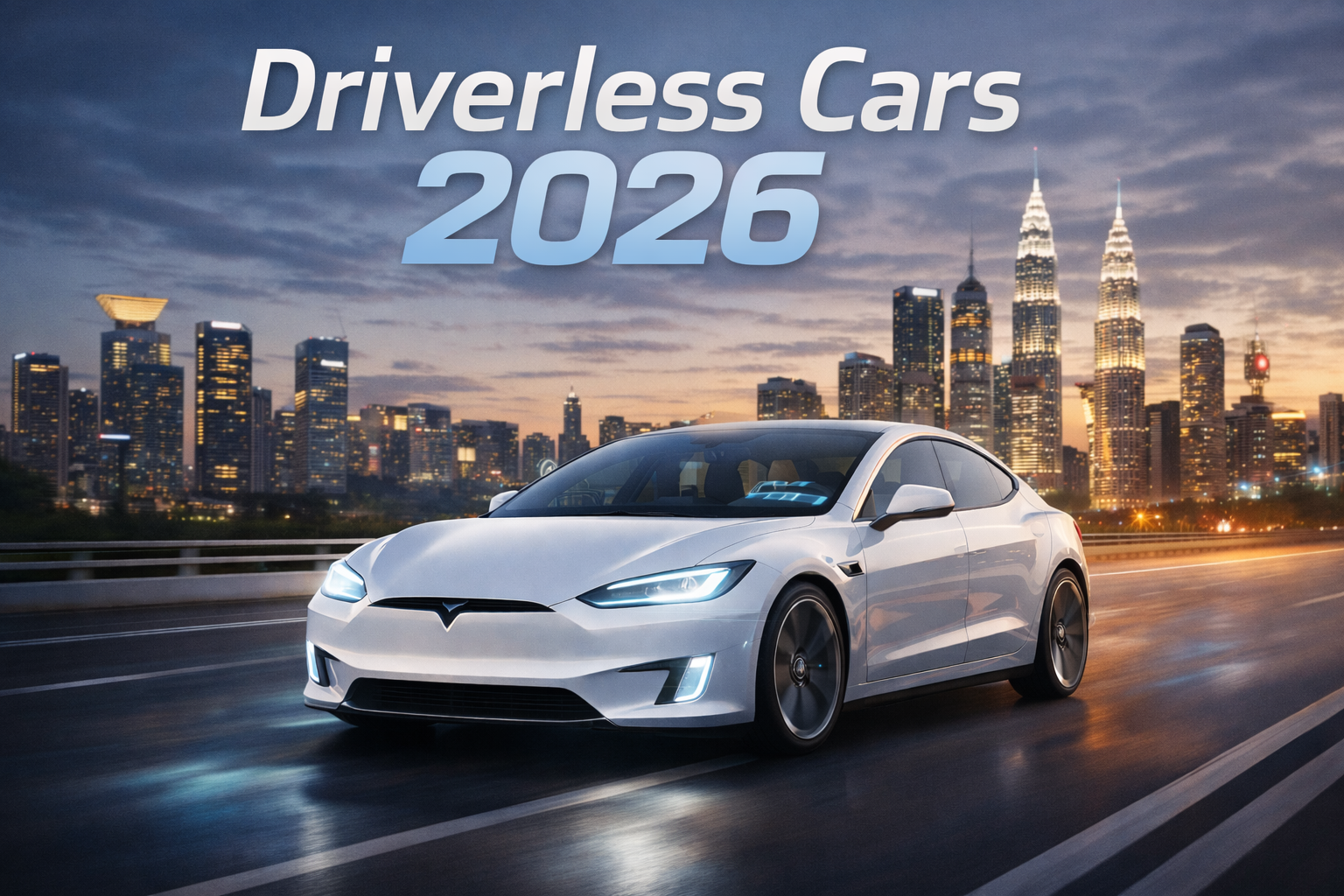
Autonomous driving is no longer science fiction. From Tesla’s Full Self-Driving (FSD) to Waymo’s robot axis, the world is moving fast toward cars that can drive themselves. But how close are we?
What Is Autonomous Driving?
Autonomous cars use AI, cameras, radar, and LiDAR to navigate roads without human input. SAE defines levels from 0 (no automation) to 5 (fully autonomous). Today, most vehicles are Level 2–3, while companies test Level 4–5 cars globally.
Global Leaders
- Tesla (USA): FSD software for semi-autonomous driving.
- Waymo & Cruise (USA): Level 4 robotaxis operating in cities.
- Mercedes, BMW, Audi (Germany): Advanced driver-assist, Level 4 expected soon.
- Toyota & Honda (Japan): Safety-focused autonomous systems for urban mobility.
Challenges Ahead
- Handling unpredictable traffic and weather.
- Regulatory approvals vary by country.
- Public trust and infrastructure readiness remain key.
The Future
- Level 4 cars: Likely commercial rollout by 2026–2028.
- Level 5 cars: Expected by 2030+, initially for premium fleets.
- Early adoption will focus on urban robotaxis and highway assistance.
Autonomous driving promises safer, smarter, and more efficient mobility globally. While full driverless cars aren’t everywhere yet, the next decade will transform how we drive forever.
FAQs
Q1: Are self-driving cars safe?
A: Level 4 cars have passed rigorous tests, but human oversight is still important.
Q2: When will fully autonomous cars be available?
A: Likely starting 2026–2030 for limited use, wider adoption later.
Q3: Which countries lead this technology?
A: USA, Germany, Japan, South Korea—companies like Tesla, Waymo, BMW, Toyota.