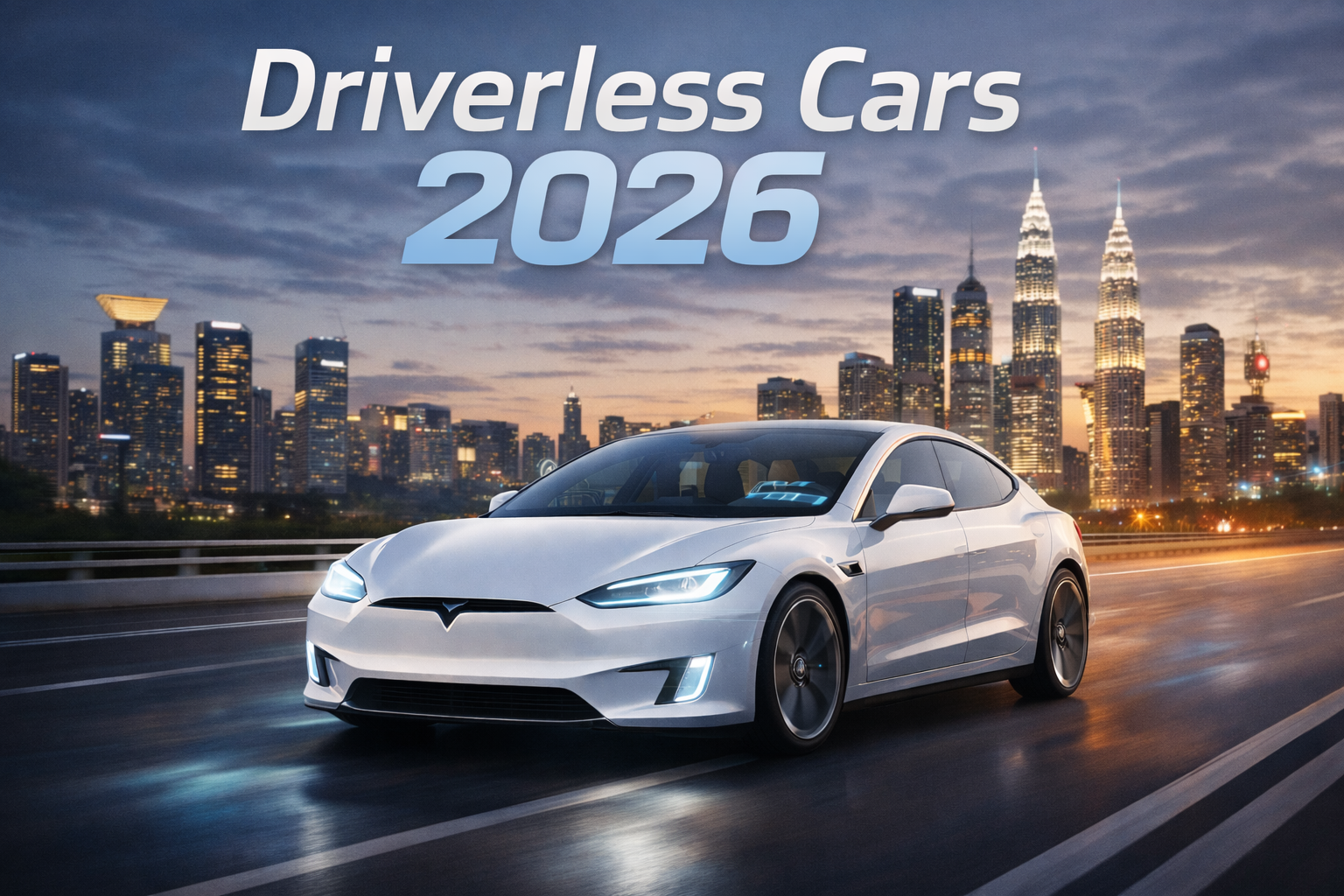
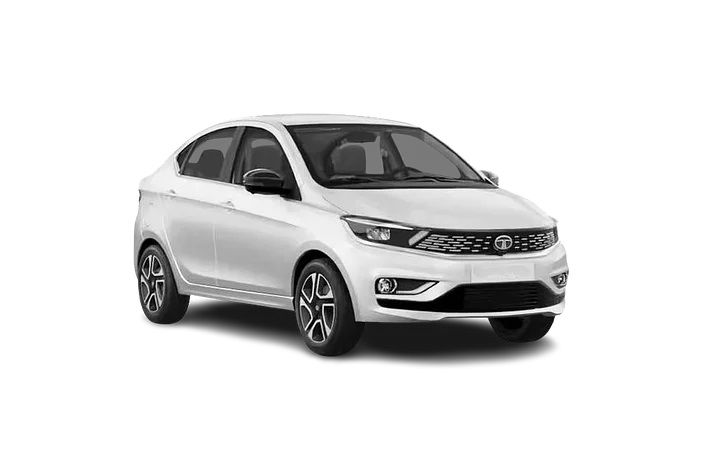
In the last few years, Nepal has seen a huge increase in electric vehicles (EVs) on its roads. From just a handful of EVs a few years ago, now tens of thousands are being imported and used by people all over the country. Many see it as a way to cut pollution, save money, and use Nepal’s clean hydropower.
But this fast growth comes with important safety and regulation issues that need careful attention.
Why is Nepal experiencing a rapid EV boom, and what are its benefits, safety concerns, and regulatory challenges?
Nepal is experiencing a rapid boom in electric vehicles (EVs) because EVs are cheaper to run, do not need petrol or diesel, and Nepal has plenty of electricity from hydropower. EVs help reduce air pollution, lower fuel import costs, and support clean energy use, which is good for both the environment and the economy.
However, this fast growth has also created safety and regulation problems. Many EVs are imported without strict quality and safety checks. Poor-quality batteries and charging systems can cause fire risks and accidents. Nepal also lacks enough charging stations, especially on highways and in rural areas, making long-distance travel difficult. After-sales service is weak because many EV brands do not have proper service centers or spare parts.
In addition, Nepal does not yet have strong laws for EV testing, charging safety, or battery recycling. Old batteries can harm the environment if they are not disposed of properly. Although the government promotes EVs for a cleaner future, stronger safety standards, clear regulations, better infrastructure, and proper battery management are necessary to make EVs safe and sustainable in Nepal.
Pros — Good Things About the EV Boom
1. Cleaner Air & Environment
EVs don’t burn petrol or diesel, so they don’t produce smoke that pollutes the air. In cities like Kathmandu, where smog and dust can make breathing unhealthy, this is a big advantage for people’s health.
2. Lower Running Costs
Electricity is cheaper than petrol or diesel in Nepal, especially because much of it comes from hydropower. EV owners save money on fuel and often spend less on maintenance because electric motors have fewer moving parts.
3. Energy Security
Nepal doesn’t need to import as much fuel from other countries when it uses EVs — it can use its own electricity instead. That helps the economy and reduces dependence on expensive petrol and diesel.
Cons — Problems & Risks to Watch Out
1. No Strong Safety or Quality Rules
Right now, Nepal doesn’t have strict laws to test EVs before they’re imported. Many EVs come in without checks on whether they match local road conditions (hilly terrain, rough roads). That means some vehicles might be unsafe or poorly made.
2. Safety Issues Like Fires & Road Crashes
There have been cases where EVs caught fire, sometimes while charging or parked. Problems like faulty batteries or substandard parts make these risks real. Also, some drivers new to EVs might misjudge how automatic acceleration and braking work, which can lead to accidents.
3. Weak Charging & Support Infrastructure
While charging stations are growing, they are still concentrated in big cities. Long-distance travel can be unreliable because chargers aren’t everywhere, and many chargers may not be well maintained or compatible with all EV types.
4. Poor After-Sales Support
Many EV brands don’t have good service centers or spare parts available in Nepal. If something breaks, owners can struggle to get help — especially for brands that go out of business or stop supporting vehicles.
5. Battery Disposal and Environmental Risk
Old batteries must be recycled or handled safely. Right now, Nepal lacks systems to deal with used lithium-ion batteries, which can pollute soil and water if thrown away carelessly.
6. Regulation & Tax Problems
Because rules keep changing and are unclear, some EV imports are even misclassified to pay lower taxes. This hurts government revenue and encourages people to import low-quality vehicles.